
The Science behind the Botanical
Welcome to our research and education hub. At Botanicals FullForce, we believe that transparency is the highest form of quality control. Here is the foundational science behind our ingredients, formulations, and processing methods.
What is a Superfood?
A superfood isn’t a special scientific group. It is just a real, whole food that is packed with an incredibly high amount of vitamins, minerals, and nutrients. Think of them as nature’s original multivitamins. Instead of just giving you basic energy, a superfood gives your body an extra boost of the good stuff in every single bite to help you stay healthy and feel your best.
What is an Adaptogen?
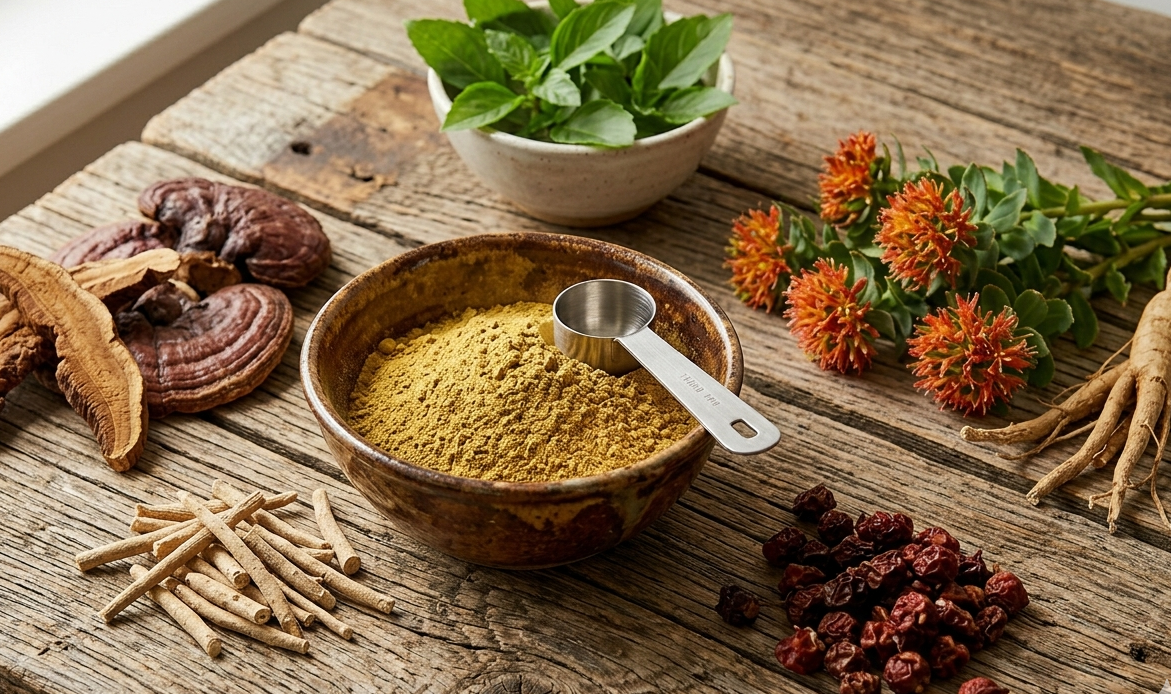
An adaptogen is a special kind of herb, plant, or mushroom that helps your body “adapt” and handle daily stress—whether that stress is physical, mental, or emotional.
To be called a true adaptogen, a plant must do three things:
Bring you back to center: It acts like a balance wheel. If you are totally exhausted, it gently lifts your energy. If you are feeling anxious and scattered, it helps calm your nervous system down. It gives your body exactly what it needs to find its natural balance.
Be safe: It must be completely safe to take every day for a long time without harming your body.
Help the whole body: It doesn’t just fix one single part; it helps your entire system deal with pressure and exhaustion.
The Deep Dive on Sceletium tortuosum
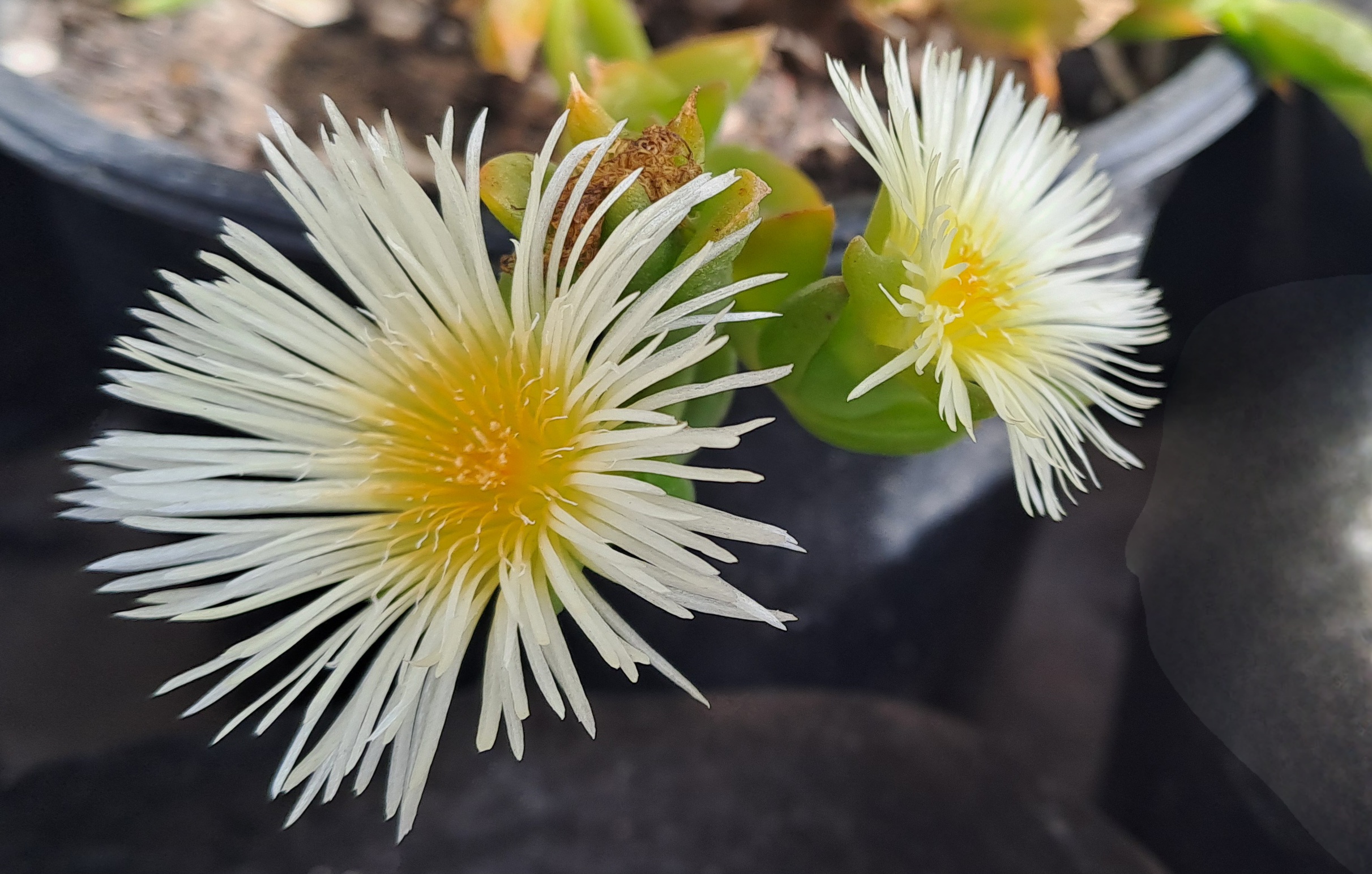
Sceletium tortuosum (historically known as Kanna or Kougoed) is an indigenous South African succulent with complex phytochemistry. Modern research confirms that its therapeutic properties rely entirely on its unique mesembrine-type alkaloid profiles and how the raw material is processed.
The Big Three Alkaloids & Receptor Mechanics
Sceletium contains at least 32 known alkaloids, but its physiological effects are driven by three primary active compounds. We analyze and standardize these specific markers:
- Mesembrine
- The Mechanism: Functions primarily as a potent Selective Serotonin Reuptake Inhibitor (SSRI) and upregulates the Vesicular Monoamine Transporter 2 (VMAT2).
- The Sensation: Promotes rapid emotional resilience, an upbeat state of mind, and an initial wave of cognitive energy.
- Mesembrenone
- The Mechanism: Functions as a dual Phosphodiesterase-4 (PDE4) inhibitor and mild serotonin reuptake inhibitor.
- The Sensation: PDE4 inhibition is highly associated with neuroprotection, sustained mental focus, clarity, and a grounded sense of calm.
- Delta 7
- The Mechanism: Acts as a secondary synergist that rounds out the receptor binding profile.
- The Sensation: Contributes significantly to the smooth, non-jittery dissipation of daily stress.
The Science of Processing: Fermented vs. Unfermented
The preparation of Sceletium completely alters its chemical fingerprint. Fresh Sceletium naturally contains high levels of Oxalic Acid (which can be a gastric irritant) and a dominant Mesembrine profile. Processing shifts these ratios:
Unfermented (Modern “Green” Extract Profiles)
By skipping fermentation and utilizing precision thermal or freeze-drying methods, the fresh plant’s native alkaloid structure is preserved.
- Alkaloid Shift: Retains the maximum possible concentration of Mesembrine.
- Target Application: Best suited for formulations targeting acute daytime energy, high cognitive performance, flow state, and immediate mood elevation.
Fermented (Traditional “Kougoed” Profiles)
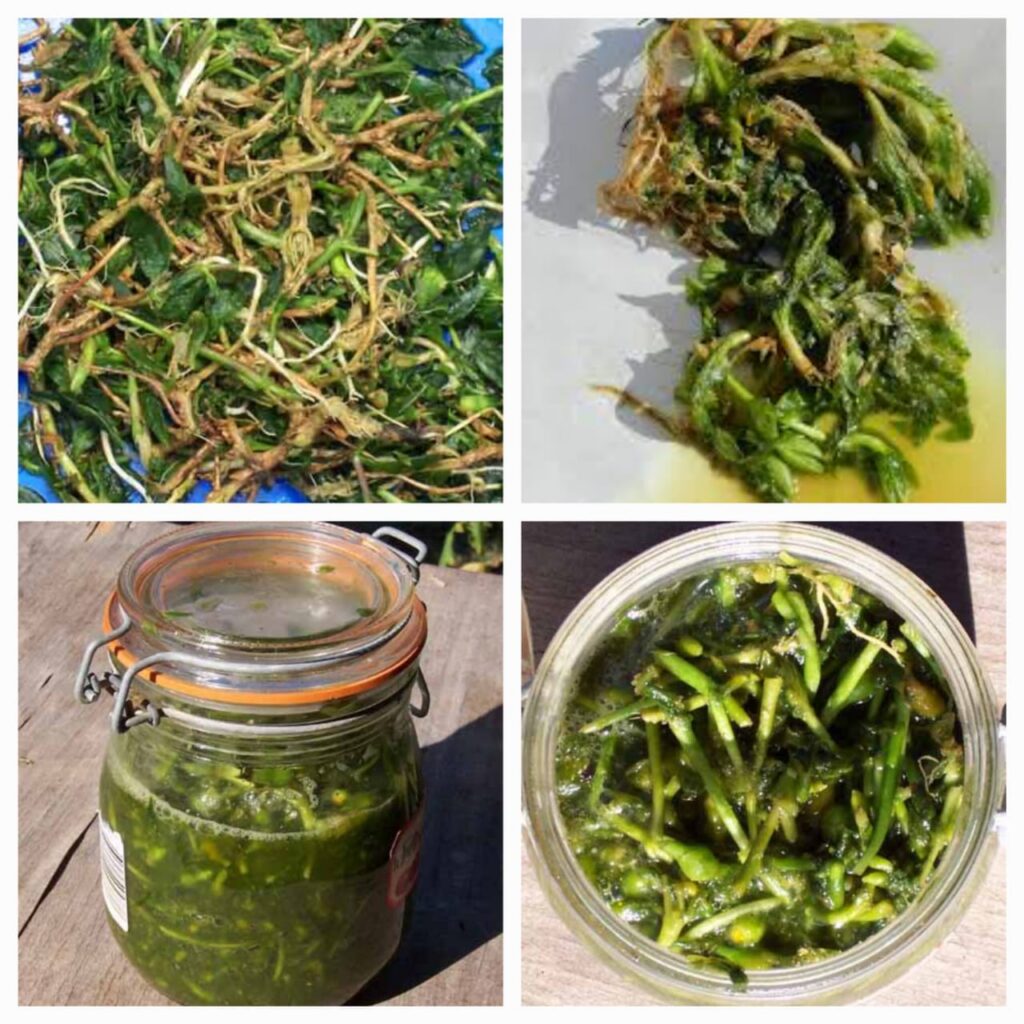
Following traditional ethnobotanical methods, the plant material is crushed and sealed to undergo a 5-to-8-day anaerobic fermentation process.
Target Application: Best suited for deep relaxation, calming overactive nervous systems, stress-mitigation, and evening formulations.
Alkaloid Shift: Mesembrine levels naturally drop, while converting or shifting the profile toward a much higher concentration of Mesembrenone and Mesembrenol.
The Oxalic Acid Factor: Crucially, fermentation breaks down and drastically lowers the plant’s raw oxalic acid content, making it incredibly gentle on the digestive tract.